Welcome to Chapagain Lab!
Theoretical and computational biophysics at Florida International University.
About the Lab
The Theoretical and Computational Biophysics Lab works where physics, chemistry, biology and medicine meet. We use theory, computation and close collaboration with experimentalists to understand how biomolecules move, interact and function, and much of that work connects directly to human health: how proteins fold, how viruses assemble and bud from cells, how bacteria resist antibiotics, and how new vaccine candidates and drugs might be found.
At the heart of our work is molecular modeling and simulation, which lets us visualize, test and predict the behavior of biomolecules at atomic detail. As these methods become faster and more accurate, and as AI-driven structure prediction transforms computer-aided drug design, simulation is playing an ever-larger role in therapeutic discovery. Our goal is to push these approaches toward the most pressing biomedical challenges, from emerging viral diseases to antibiotic resistance.
Built on collaboration
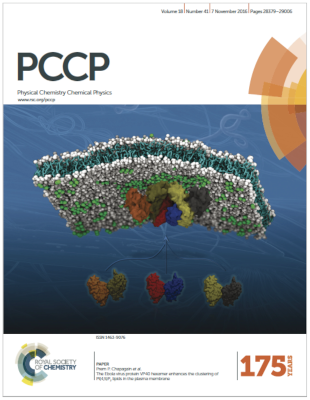
Collaboration has been a cornerstone of the lab. Early on, we partnered with JILA researchers to design fluorescent proteins with greater stability and brightness. Today, in NIH-funded projects with the Stahelin lab at Purdue, we study how the Ebola and Marburg matrix protein VP40 drives viral assembly and budding, and we work with groups at Notre Dame and Johns Hopkins on problems ranging from biomolecular structure and function to AI-driven drug discovery and RNA biology. At FIU we collaborate with colleagues on Alzheimer’s disease, cardiovascular calcification, and DNA damage and repair, and we took part in an NSF-funded effort that used artificial intelligence to explore protein–protein interactions and antibody–antigen mimicry. This work has appeared in journals including Nature Machine Intelligence, Nature Communications, Science Advances and Nucleic Acids Research.
All of this runs on shared computational infrastructure and training. We work within cross-disciplinary teams of physicists, chemists, biologists, clinicians and data scientists, and train graduate, undergraduate and visiting researchers in computational biophysics, AI methods and quantitative modeling. Our research has been supported by the NSF, NIH, DoD and industry partners.
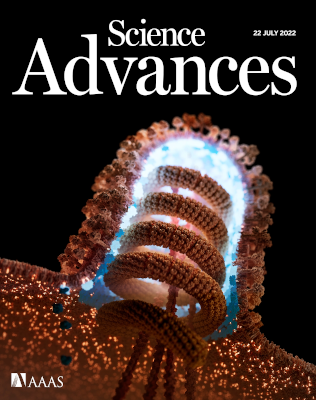
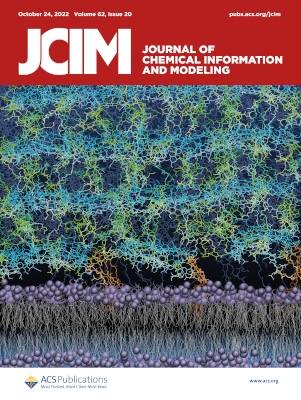
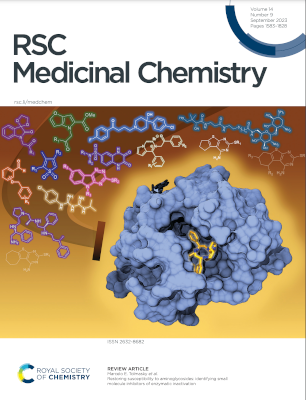
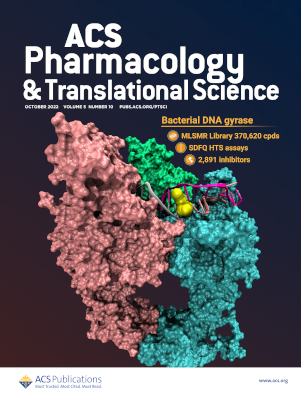
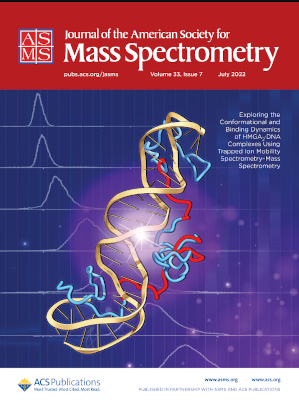
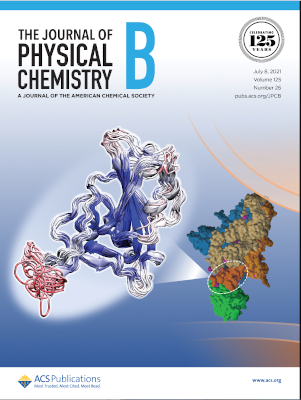
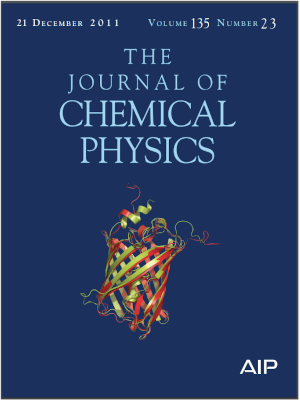
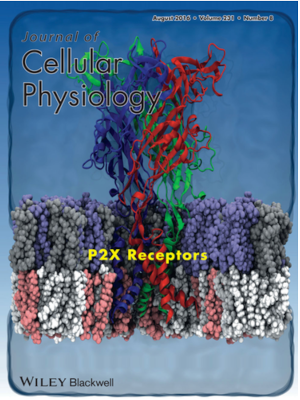
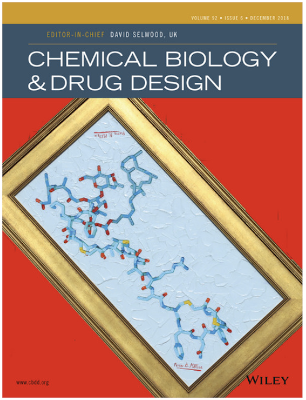
Research Featured on Journal Covers